
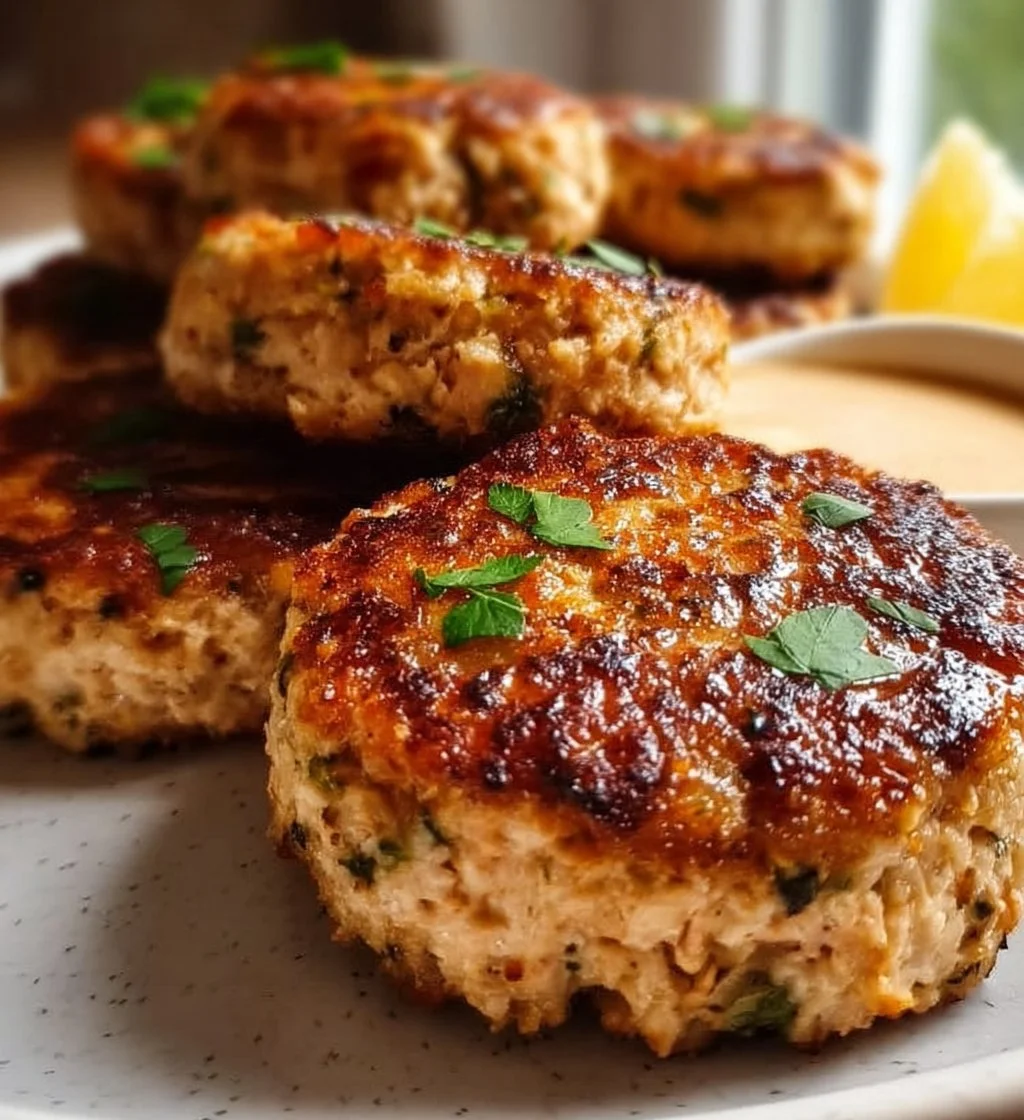
Cottage cheese tuna cakes serve as both a delicious meal and a satisfying snack. These little treats pack a punch, offering a perfect balance of flavor and nutrition. Whether you’re looking to whip up a quick lunch, surprise your family with a simple dinner, or prepare an enticing appetizer for guests, these cakes are sure to impress. The combination of cottage cheese and tuna not only creates a delightful taste but also makes these cakes rich in protein and ideal for any health-conscious eater.
Why We Love This Cottage Cheese Tuna Cakes
Cottage cheese tuna cakes hold a special place in both our kitchens and our hearts. First, they are wonderfully quick to prepare, allowing you to have a meal ready in no time. The combination of tender tuna and creamy cottage cheese makes each bite both satisfying and flavorful. You can easily customize them with herbs, spices, or vegetables, making them a versatile dish for any occasion. The crispy exterior forms a perfect contrast to the soft, savory interior, creating a delightful eating experience. Plus, they’re loaded with protein, making them a healthy option that can keep you full and energized throughout the day. You can enjoy them as part of a meal or served as a fun finger food during gatherings. With so many reasons to love them, it’s no wonder these cottage cheese tuna cakes are a favorite in so many households.
Ingredients for Cottage Cheese Tuna Cakes
- 1 can of tuna, drained
- 1 cup cottage cheese
- 1/2 cup breadcrumbs
- 1/4 cup chopped green onions
- 1/4 cup diced bell pepper
- 1 egg
- 1 teaspoon garlic powder
- 1 teaspoon onion powder
- Salt and pepper to taste
- Oil for frying
Directions
- Begin by draining the tuna thoroughly. Use a fork to break it into small pieces in a mixing bowl.
- Add the cottage cheese to the bowl with the tuna and mix until well combined.
- Incorporate the breadcrumbs, chopped green onions, and diced bell pepper.
- Crack the egg into the mixture and sprinkle in the garlic powder, onion powder, salt, and pepper. Stir everything together until the ingredients are evenly distributed.
- Preheat a non-stick skillet over medium heat and add a thin layer of oil to coat the bottom.
- Once the oil is hot, use your hands to form small patties from the mixture. Gently place them in the skillet, ensuring you do not crowd the pan.
- Cook for about 3-4 minutes on each side, or until golden brown and fully cooked through.
- Once cooked, transfer the cakes to a paper towel-lined plate to absorb any excess oil.
- Repeat until all the mixture is used up, adding more oil as needed.
How to Serve Cottage Cheese Tuna Cakes
Serving cottage cheese tuna cakes is simple, yet the presentation can elevate the dish. You can place the cakes on a platter, garnishing with fresh herbs like parsley or dill for a burst of color. Consider pairing them with a tangy dipping sauce, like a yogurt-based dressing or homemade tartar sauce, which can enhance the flavors and add a refreshing contrast. Additionally, you can serve them alongside a fresh green salad or roasted vegetables to create a complete meal. For a more casual approach, these cakes can be served on a bed of lettuce leaves, allowing your guests to enjoy them as wraps or sliders. There’s something delightful about sharing small bites, making these cakes ideal for gatherings. Versatile and easy to serve, cottage cheese tuna cakes bring a vibrant and appetizing element to any dining experience.
Expert Tips for Cottage Cheese Tuna Cakes
To make the perfect cottage cheese tuna cakes, pay attention to the texture of your ingredients. Using dry canned tuna will create a better consistency, allowing the cakes to hold together while cooking. If the mixture seems too wet, add a bit more breadcrumbs or let it chill in the fridge for about 30 minutes. This can help the flavors meld together while also helping the cakes firm up. When frying, ensure your oil is hot enough for a crispy finish. Test by dropping a small piece of the mixture in; it should sizzle upon contact. Don’t overcrowd the pan as this can lower the oil temperature and result in soggy cakes. If you want to bake them instead of frying, preheat your oven to 400°F (200°C) and place the cakes on a greased baking sheet, baking them for about 20 minutes until golden and firm. By following these tips, you can ensure you create perfectly crispy and delicious cottage cheese tuna cakes every time.
How to Store Cottage Cheese Tuna Cakes
Storing cottage cheese tuna cakes properly will help maintain their flavor and texture. Allow the cakes to cool completely after cooking before transferring them to an airtight container. You can store them in the refrigerator for up to three days. For longer storage, consider freezing them. Lay the cooked cakes on a baking sheet lined with parchment paper and freeze until solid. Once frozen, transfer them to a freezer-safe bag or container. They can last up to three months in the freezer. To reheat, simply bake them in the oven at 350°F (175°C) until heated through. This method helps retain their crispy exterior while warming the inside perfectly.
Variations of Cottage Cheese Tuna Cakes
There’s plenty of room for creativity with cottage cheese tuna cakes. Consider adding chopped spinach, grated carrots, or zucchini to increase the nutritional value and flavor profile. For a Mediterranean twist, try incorporating feta cheese and olives. You can also switch up the seasonings. Using fresh herbs such as parsley, cilantro, or dill can give the cakes a fresh taste. To spice things up, add a pinch of cayenne pepper or red chili flakes. If you prefer a gluten-free option, substitute the breadcrumbs with almond flour or crushed gluten-free crackers. Likewise, experiment with different types of canned fish, like salmon or mackerel, to change the flavor entirely. Each variation can bring something new to your table, keeping this dish exciting and fresh every time you make it.
FAQ about Cottage Cheese Tuna Cakes
What are cottage cheese tuna cakes?
Cottage cheese tuna cakes are savory patties made from canned tuna and cottage cheese, combined with breadcrumbs and seasonings, offering a protein-packed treat.
How do I make sure my cakes don’t fall apart?
Make sure to drain the tuna well and use enough binder ingredients like egg and breadcrumbs to hold the mixture together while cooking.
Can I bake cottage cheese tuna cakes instead of frying them?
Yes, preheat your oven to 400°F (200°C) and bake them on a greased baking sheet for about 20 minutes until golden and firm.
Can I freeze cottage cheese tuna cakes?
Absolutely! Once cooked and cooled, you can freeze them for up to three months in an airtight container or freezer bag.
What can I serve with cottage cheese tuna cakes?
You can serve them with diverse sides, such as salads, roasted vegetables, or various dipping sauces, enhancing the overall meal experience.

Cottage Cheese Tuna Cakes
Ingredients
Main Ingredients
- 1 can tuna, drained Use dry canned tuna for a better consistency.
- 1 cup cottage cheese
- 1/2 cup breadcrumbs Can be replaced with almond flour for a gluten-free option.
- 1/4 cup chopped green onions
- 1/4 cup diced bell pepper
- 1 each egg Acts as a binder.
- 1 teaspoon garlic powder
- 1 teaspoon onion powder
- to taste Salt and pepper
- as needed tablespoon Oil for frying


Instructions
Preparation
- Begin by draining the tuna thoroughly. Use a fork to break it into small pieces in a mixing bowl.
- Add the cottage cheese to the bowl with the tuna and mix until well combined.
- Incorporate the breadcrumbs, chopped green onions, and diced bell pepper.
- Crack the egg into the mixture and sprinkle in the garlic powder, onion powder, salt, and pepper. Stir everything together until the ingredients are evenly distributed.
Cooking
- Preheat a non-stick skillet over medium heat and add a thin layer of oil to coat the bottom.
- Once the oil is hot, use your hands to form small patties from the mixture. Gently place them in the skillet, ensuring you do not crowd the pan.
- Cook for about 3-4 minutes on each side, or until golden brown and fully cooked through.
- Once cooked, transfer the cakes to a paper towel-lined plate to absorb any excess oil.
- Repeat until all the mixture is used up, adding more oil as needed.
Send me this recipe!
Just enter your email below and get it sent straight to your inbox!