
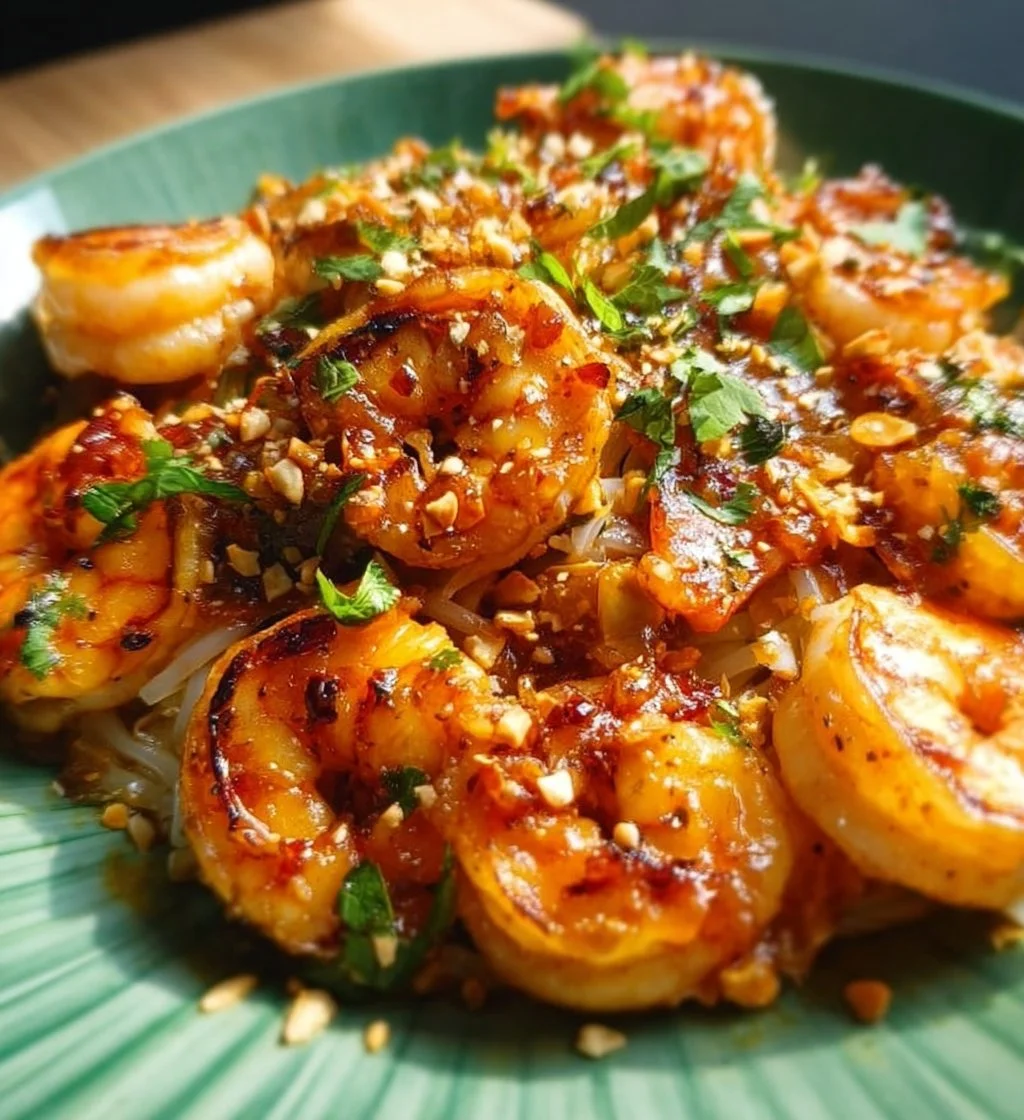
Shrimp Pad Thai is a vibrant and flavorful dish that blends the rich tastes of Southeast Asia in a way that’s both satisfying and comforting. This stir-fry combines perfectly cooked rice noodles with succulent shrimp, crunchy vegetables, and a tangy sauce that will take your taste buds on a delightful journey. Cooking this dish at home gives you the chance to customize it to your liking while also offering a fun culinary experience.
Why We Love This Shrimp Pad Thai
There’s something special about Shrimp Pad Thai that makes it a favorite in many households. First, the combination of textures—smooth noodles, tender shrimp, and crisp vegetables—creates a dish that’s pleasing to your palate. The sauce brings everything together, offering a perfect balance of sweet, salty, and tangy flavors. Plus, this dish is quick to prepare, making it an excellent choice for a weeknight dinner. It’s also versatile; you can easily adjust the ingredients to suit your taste, whether you want it spicier or prefer more veggies. With its colorful presentation and delicious taste, Shrimp Pad Thai is sure to impress both family and friends.
Ingredients for Shrimp Pad Thai
- 8 ounces rice noodles
- 1 pound medium shrimp, peeled and deveined
- 2 tablespoons vegetable oil
- 2 cloves garlic, minced
- 1 cup bean sprouts
- 1 cup shredded carrots
- 1 egg, lightly beaten
- 4 green onions, chopped
- ¼ cup chopped peanuts
- ¼ cup fresh cilantro, chopped
- Lime wedges, for serving
Sauce Ingredients
- 3 tablespoons fish sauce
- 2 tablespoons sugar
- 1 tablespoon soy sauce
- 1 tablespoon tamarind paste
- ½ teaspoon red pepper flakes (adjust to taste)
Directions
- Begin by soaking the rice noodles in warm water for about 30-40 minutes or until they become tender. Drain and set them aside.
- In a small bowl, whisk together the fish sauce, sugar, soy sauce, tamarind paste, and red pepper flakes to create your sauce. Set aside.
- Heat the vegetable oil in a large skillet or wok over medium-high heat. Add the minced garlic and stir-fry for about 30 seconds until fragrant.
- Add the shrimp to the pan and stir-fry for 2-3 minutes or until they turn pink and opaque. Remove the shrimp from the pan and set aside.
- In the same skillet, add the soaked noodles and pour the sauce over the top. Stir-fry for about 2 minutes, allowing the noodles to absorb the sauce.
- Push the noodles to one side of the pan and add the beaten egg on the other side. Scramble the egg until fully cooked, then mix it with the noodles.
- Add the bean sprouts, shredded carrots, and cooked shrimp back to the pan. Toss everything together for another 2-3 minutes to heat through.
- Stir in the chopped green onions and remove from heat.
- Garnish each serving with chopped peanuts, fresh cilantro, and lime wedges.
How to Serve Shrimp Pad Thai
When serving Shrimp Pad Thai, presentation plays a significant role in enhancing the dining experience. Start by placing a generous portion of the dish on each plate, allowing the vibrant colors of the noodles, shrimp, and vegetables to shine. For a finishing touch, sprinkle extra chopped peanuts and fresh cilantro on top. The lime wedges not only add a beautiful pop of color but also offer a zesty kick when squeezed over the dish just before eating.
Pair your Shrimp Pad Thai with a light salad or some crispy spring rolls on the side for a complete meal. If you want to impress your guests further, serve the dish with a chilled herbal tea or a refreshing coconut drink. This adds an authentic touch and complements the rich flavors of the Pad Thai beautifully. Enjoy your meal with friends or family, and don’t forget to savor every bite!
Expert Tips for Shrimp Pad Thai
To elevate your Shrimp Pad Thai experience, consider these expert tips. First, choose fresh shrimp from a reputable source; the quality of the seafood significantly impacts the dish’s final taste. When cooking the shrimp, be careful not to overcook them. Perfectly cooked shrimp should be tender and juicy, adding a delightful texture to your dish.
Another important aspect is the sauce. Feel free to adjust the sweetness or spice level of the sauce according to your preference. If you enjoy heat, consider adding a few slices of fresh chili or a dash more red pepper flakes. Using freshly squeezed lime juice instead of bottled juice can brighten the flavors even more.
For a more authentic touch, look for tamarind paste in Asian grocery stores, as it gives a distinct flavor. You can also experiment with toppings; for instance, add a sprinkle of crushed chili or a few slices of fresh cucumber for added crunch. Finally, always serve Shrimp Pad Thai immediately while it’s hot and fresh to ensure the best flavor and texture.
How to Store Shrimp Pad Thai
If you find yourself with leftovers, storing Shrimp Pad Thai is simple. Allow the dish to cool completely before transferring it to an airtight container. Make sure to separate the noodles and shrimp from any fresh garnishes, as these can become soggy in the fridge. Store your Pad Thai in the refrigerator for up to three days.
When you’re ready to enjoy it again, simply reheat the leftovers in a skillet over medium heat. You may want to add a splash of water or more sauce to help refresh the noodles and keep them from drying out. Alternatively, you can microwave the Pad Thai, but check it frequently to avoid overheating. While leftovers may not be as fresh as when first made, a little attention during reheating can bring the dish back to life.
Variations of Shrimp Pad Thai
Shrimp Pad Thai is not just a one-size-fits-all dish. You can easily switch up ingredients or add new ones to create your variations. If you want a vegetarian option, substitute shrimp with tofu or a mix of your favorite vegetables like bell peppers, broccoli, or snap peas. This addition can provide a satisfying crunch and added nutrients.
For a spicier version, incorporate fresh chili peppers into the dish or use a hot chili sauce blended into your sauce for that extra kick. If you’re looking for a protein-packed meal, feel free to mix shrimp with chicken or beef.
You could also play around with different types of noodles. While rice noodles are traditional, try using whole-wheat or gluten-free noodles to suit dietary needs. Lastly, consider adding fruit elements, such as pineapple or mango, for a unique twist. These variations not only change the flavor profile but also allow you to enjoy Shrimp Pad Thai in different ways.
FAQ about Shrimp Pad Thai
What is Shrimp Pad Thai made of?
Shrimp Pad Thai is made of rice noodles, shrimp, vegetables, and a flavorful sauce. Common veggies include bean sprouts and carrots, and it’s usually topped with peanuts and cilantro.
How long does it take to make Shrimp Pad Thai?
It typically takes about 30 minutes to prepare Shrimp Pad Thai from start to finish, making it a quick meal option.
Can I make Shrimp Pad Thai ahead of time?
Yes, you can make Shrimp Pad Thai ahead of time but it’s best enjoyed fresh. If you have leftovers, store them in the refrigerator and reheat when ready.
Is Shrimp Pad Thai spicy?
The spice level of Shrimp Pad Thai can vary based on personal preference. You can adjust the amount of red pepper flakes or add fresh chili peppers to increase the heat.
Can I use frozen shrimp for Shrimp Pad Thai?
Absolutely! Just be sure to thaw the shrimp completely before using them in the recipe to ensure even cooking.
Is Shrimp Pad Thai gluten-free?
To make Shrimp Pad Thai gluten-free, ensure to use gluten-free soy sauce and verify that your rice noodles do not contain any gluten-containing ingredients.
Shrimp Pad Thai
Ingredients
Main Ingredients
- 8 ounces rice noodles Soaked in warm water
- 1 pound medium shrimp, peeled and deveined Fresh or thawed
- 2 tablespoons vegetable oil For stir-frying
- 2 cloves garlic, minced Adds flavor
- 1 cup bean sprouts Fresh
- 1 cup shredded carrots Adds crunch
- 1 large egg, lightly beaten For added protein and texture
- 4 individual green onions, chopped For garnish
- ¼ cup chopped peanuts For garnish
- ¼ cup fresh cilantro, chopped For garnish
- as needed lime wedges For serving
Sauce Ingredients
- 3 tablespoons fish sauce Base of the sauce
- 2 tablespoons sugar To balance flavors
- 1 tablespoon soy sauce For umami flavor
- 1 tablespoon tamarind paste For tanginess
- ½ teaspoon red pepper flakes Adjust to taste


Instructions
Preparation
- Soak the rice noodles in warm water for about 30-40 minutes or until tender. Drain and set aside.
- In a small bowl, whisk together the fish sauce, sugar, soy sauce, tamarind paste, and red pepper flakes to create your sauce. Set aside.
Cooking
- Heat the vegetable oil in a large skillet or wok over medium-high heat. Add the minced garlic and stir-fry for about 30 seconds until fragrant.
- Add the shrimp to the pan and stir-fry for 2-3 minutes or until they turn pink and opaque. Remove the shrimp from the pan and set aside.
- In the same skillet, add the soaked noodles and pour the sauce over the top. Stir-fry for about 2 minutes, allowing the noodles to absorb the sauce.
- Push the noodles to one side of the pan and add the beaten egg on the other side. Scramble the egg until fully cooked, then mix it with the noodles.
- Add the bean sprouts, shredded carrots, and cooked shrimp back to the pan. Toss everything together for another 2-3 minutes to heat through.
- Stir in the chopped green onions and remove from heat.
Serving
- Garnish each serving with chopped peanuts, fresh cilantro, and lime wedges.
Send me this recipe!
Just enter your email below and get it sent straight to your inbox!