
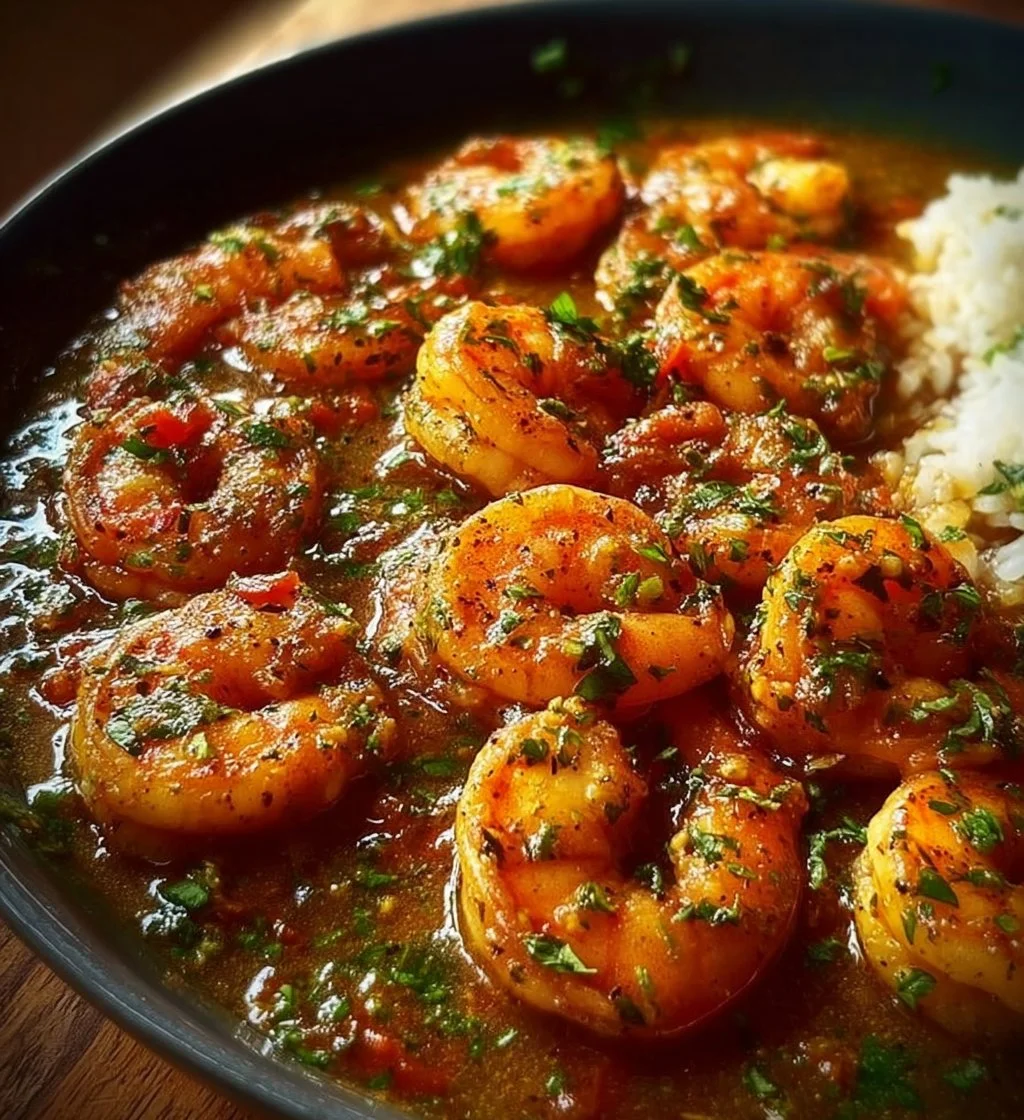
Shrimp étouffée is a classic dish from the heart of Cajun and Creole cuisine, offering a harmonious blend of flavors and textures. This dish showcases succulent shrimp simmered in a rich, flavorful sauce, served over a bed of fluffy rice. Whether you’re preparing it for a cozy dinner at home or for entertaining guests, shrimp étouffée brings the authentic taste of Louisiana straight to your table.
Why We Love This Shrimp Étouffée
There are countless reasons to love shrimp étouffée. First and foremost, it embodies the essence of comfort food. The robust flavors of the sauce, combined with the tenderness of the shrimp, create a satisfying dish that warms the soul. It’s versatile, too; you can easily adjust the seasonings to suit your palate, whether you prefer a milder taste or a spicy kick. Moreover, making shrimp étouffée is a wonderful way to showcase fresh ingredients, particularly the shrimp. The dish’s rich history and cultural significance also add to its charm. Many people have cherished family recipes passed down through generations, making each rendition feel personal and special.


Ingredients for Shrimp Étouffée
- 1 pound medium shrimp, peeled and deveined
- 1/4 cup vegetable oil
- 1/4 cup all-purpose flour
- 1 onion, diced
- 1 bell pepper, diced
- 1 celery stalk, diced
- 4 cloves garlic, minced
- 4 cups seafood stock or chicken broth
- 1 can (14.5 ounces) diced tomatoes
- 2 tablespoons tomato paste
- 2 teaspoons Cajun seasoning
- 1 teaspoon Worcestershire sauce
- Salt and pepper to taste
- 2 green onions, sliced (for garnish)
- Fresh parsley, chopped (for garnish)
- Cooked rice (for serving)
Directions
Start by heating the vegetable oil in a large skillet over medium heat. Add the flour, whisking continuously to create a roux. Cook for about 15-20 minutes, or until the roux turns a deep brown color. Keep stirring to prevent it from burning.
Once your roux reaches the desired color, add the diced onion, bell pepper, and celery. Cook them for about 5 minutes until they soften. Stir in the minced garlic and cook for another minute.
Pour in the seafood stock or chicken broth, followed by the diced tomatoes and tomato paste. Mix well to combine all ingredients.
Add the Cajun seasoning and Worcestershire sauce, and season with salt and pepper to taste. Bring the mixture to a gentle boil, then reduce the heat and let it simmer for about 20 minutes, stirring occasionally.
Add the shrimp to the sauce and cook for an additional 5-7 minutes until they turn pink and are cooked through.
Remove from the heat, and let it sit for a few minutes to allow the flavors to meld together.
Serve the shrimp étouffée over a mound of cooked rice and garnish with sliced green onions and chopped parsley.
How to Serve Shrimp Étouffée
Serving shrimp étouffée is about more than just the dish itself; it’s an experience that brings people together. Start by plating the shrimp étouffée generously over a serving of hot, fluffy rice. The rice acts as a base, soaking up the rich sauce while providing a nice contrast in texture with the succulent shrimp. You can also offer some crusty bread on the side to help scoop up the sauce and enhance the meal’s coastal vibe.
For an authentic touch, set the table in a New Orleans style. Use vibrant tablecloths and let everyone serve themselves, allowing for conversation and fun. Pair the dish with refreshing beverages, like iced tea or a fruit-infused sparkling water. For those who appreciate a bit more heat, offer hot sauce on the side for a personal touch. Don’t forget to garnish with plenty of fresh herbs, like parsley and sliced green onions, adding both color and flavor to the dish. The goal is to create a casual, inviting atmosphere that highlights the rich flavors of your shrimp étouffée.
Expert Tips for Shrimp Étouffée
To elevate your shrimp étouffée, start with the freshest shrimp you can find; this will make a noticeable difference in flavor. If possible, opt for wild-caught shrimp as they tend to have a superior taste. When making the roux, patience is key. Stir it continuously to achieve the perfect deep brown color without burning; this richness provides the dish with its characteristic flavor.
Don’t hesitate to experiment with the seasonings. If you prefer a spicier étouffée, consider adding cayenne pepper or red pepper flakes to the sauce. Conversely, for a milder taste, reduce the amount of Cajun seasoning. Additionally, try adding a splash of lemon juice at the end to brighten the flavors further. If you’re planning to serve a large crowd, you can easily double the recipe, allowing the étouffée to be simmered in a large pot or Dutch oven for everyone to enjoy.
Finally, let the dish rest after cooking. Allowing the flavors to meld and settle for a few minutes can enhance the overall taste, making it more delicious when served. Remember, shrimp étouffée is all about layering flavors and enjoying the process, so take your time and savor each step.
How to Store Shrimp Étouffée
If you have any leftovers of shrimp étouffée, storing it properly is essential to maintain its flavor and freshness. Allow the dish to cool down to room temperature before packaging it for storage. Transfer the shrimp étouffée into an airtight container. It’s best to separate the rice from the sauce if possible, as this will prevent the rice from becoming soggy when reheating.
You can store shrimp étouffée in the refrigerator for up to three days. If you want to keep it for a more extended period, consider freezing it. To freeze, place the cooled étouffée in a freezer-safe container, leaving a little space at the top for expansion. It can last in the freezer for about three months. When ready to enjoy it again, thaw it overnight in the refrigerator and reheat it on the stove over low heat, stirring occasionally. Add a splash of stock or water if the sauce seems too thick during reheating.
Variations of Shrimp Étouffée
While shrimp étouffée is a classic, there are numerous variations you can explore to make it your own. For a heartier dish, consider adding other seafood, such as crab or crawfish. These additions bring more flavor and a delightful mix of textures to your plate.
You might also try different protein options, like chicken or fish, for those looking for alternatives. A vegetable étouffée can be a delightful option for a vegetarian meal, using hearty vegetables such as mushrooms, zucchini, or eggplant.
For a unique twist, you can incorporate spices and flavors from other cuisines. For example, adding coconut milk will give it a tropical flair, while curry powder can provide an exciting twist. Experiment with fresh herbs like cilantro, tarragon, or thyme for varying flavors.
Alternatively, if you’re a fan of spice, consider adding diced jalapeños or habaneros for extra heat, altering the flavor profile without losing its essence as a comforting dish. Each variation can transport you to different culinary landscapes, making shrimp étouffée feel new and exciting every time you prepare it.
FAQ about Shrimp Étouffée
What is shrimp étouffée?
Shrimp étouffée is a classic dish from Cajun and Creole cuisine, featuring shrimp cooked in a flavorful sauce and served over rice.
How do you make shrimp étouffée?
You make shrimp étouffée by creating a roux, then adding vegetables, seasoning, and broth to create a rich sauce before mixing in the shrimp.
Can you use frozen shrimp for shrimp étouffée?
Yes, you can use frozen shrimp. Just ensure they are properly thawed before cooking for the best results.
What can I serve with shrimp étouffée?
Serve shrimp étouffée with fluffy rice, crusty bread, and a side salad for a balanced meal.
How long does shrimp étouffée last in the fridge?
Shrimp étouffée can last up to three days in the refrigerator when stored properly in an airtight container.
Can I make shrimp étouffée ahead of time?
Yes, you can prepare shrimp étouffée ahead of time, allowing the flavors to meld and simply reheat it when ready to serve.
What makes shrimp étouffée different from gumbo?
While both are staple dishes in Cajun cuisine, shrimp étouffée typically has a thicker consistency and is served over rice, while gumbo is a soup-like dish often served with rice mixed in.
Is shrimp étouffée spicy?
Shrimp étouffée can be spicy, depending on the amount of Cajun seasoning and additional spices used. You can adjust the heat level to suit your preference.