
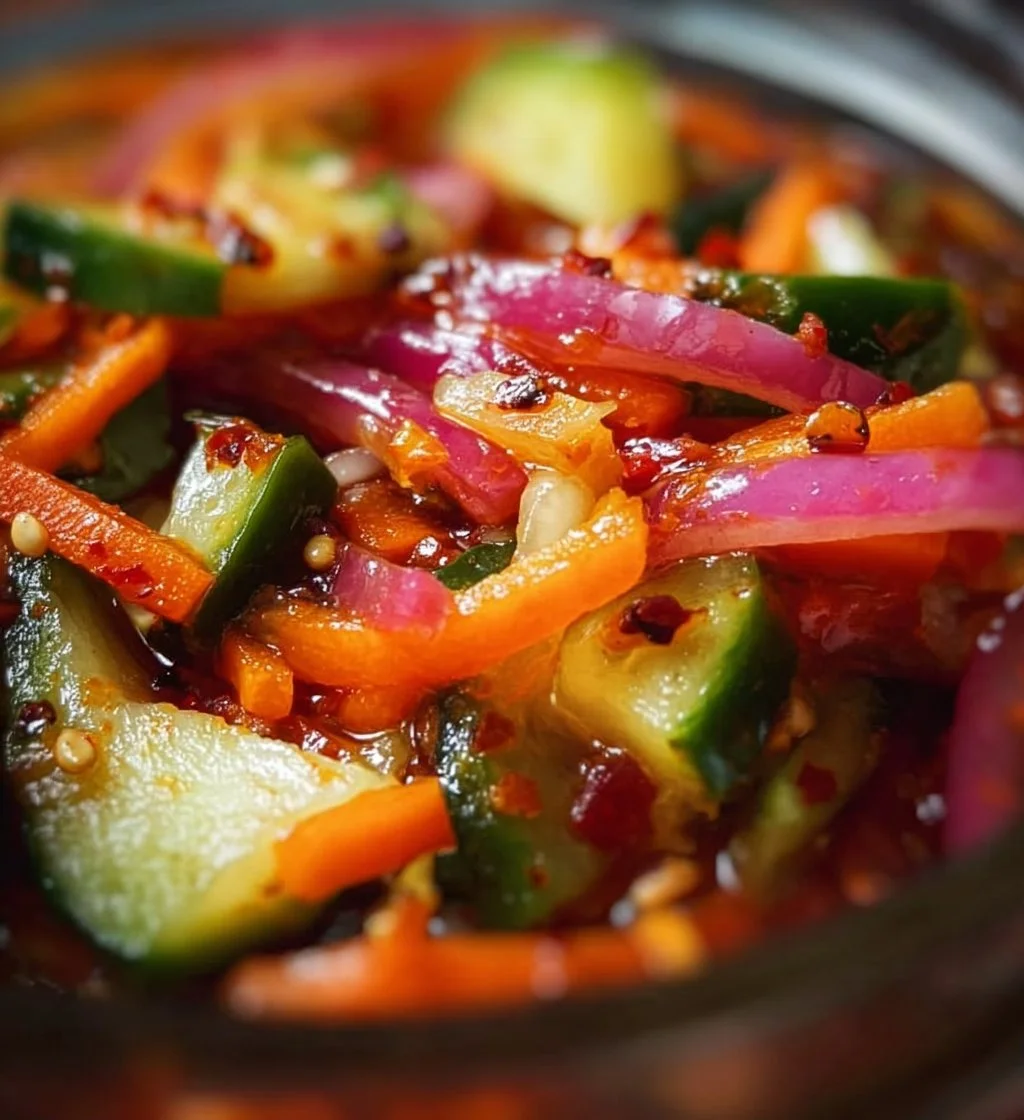
Quick Fridge Pickled Vegetables are not only a delightful addition to any meal but also a fun and easy way to make use of leftover veggies. This method of pickling allows you to enhance the flavors of fresh produce quickly, adding a tangy and crunchy element to your dishes. You can enjoy these pickled vegetables in salads, sandwiches, or as a refreshing snack, delivering a burst of flavor that brightens any plate. The best part? You can customize the ingredients to your liking and have a batch ready in no time.
Why We Love This Quick Fridge Pickled Vegetables
Quick Fridge Pickled Vegetables stand out for several reasons. First, they offer a fantastic way to reduce food waste; you can use any vegetables that you have lingering in your fridge. This method doesn’t require a lengthy canning process, making it accessible for everyone, even those new to pickling. The crunchiness and flavor of these pickled veggies not only enhance your dishes but also serve as a colorful, appetizing garnish. Additionally, the versatility in seasoning allows you to tailor the flavor profiles to match different cuisines or personal preferences, ensuring that each batch can be unique and exciting.
Ingredients for Quick Fridge Pickled Vegetables
- 2 cups of assorted vegetables (carrots, cucumbers, bell peppers, radishes)
- 1 cup water
- 1 cup vinegar (white or apple cider)
- 2 tablespoons sugar
- 1 tablespoon salt
- 2 cloves garlic (peeled and crushed)
- 1 teaspoon peppercorns
- 1 teaspoon mustard seeds (optional)
- A few sprigs of fresh herbs (dill, thyme, or parsley)
Directions
- Start by washing and slicing your vegetables into uniform pieces. Aim for thin slices or small sticks to ensure they pickle evenly.
- In a small pot, combine the water, vinegar, sugar, and salt. Heat the mixture over medium heat. Stir until the sugar and salt dissolve completely.
- Once the mixture is hot but not boiling, remove it from the heat and add crushed garlic, peppercorns, and mustard seeds if using.
- Place your sliced vegetables into a clean glass jar, layering them for a beautiful presentation.
- Pour the hot pickling liquid over the vegetables, making sure they are fully submerged. Leave some headroom at the top of the jar.
- Add fresh herbs for additional flavor if desired.
- Seal the jar tightly and let it cool at room temperature for about 30 minutes.
- Once cooled, refrigerate the jar for at least 2 hours before serving. The longer you leave them, the more flavor they absorb.
How to Serve Quick Fridge Pickled Vegetables
Quick Fridge Pickled Vegetables add fantastic flavor and crunch to a variety of meals. You can serve them as a vibrant garnish on meats or fish dishes, providing a zesty contrast. Toss them into salads for a fresh and tangy element that brightens up greens. They also work wonderfully in sandwiches or wraps, replacing traditional spreads with a flavorful kick. Perfect for a quick snack, these pickled veggies can also be enjoyed straight from the jar. Pair them with crackers and cheese for an exciting appetizer or snack. The possibilities are endless, so feel free to explore your creativity when incorporating them into your meals.
Expert Tips for Quick Fridge Pickled Vegetables
To make the most of your Quick Fridge Pickled Vegetables, consider a few expert tips. First, always use fresh, high-quality vegetables, as they will greatly impact the taste and texture of your pickles. Experiment with various vegetable combinations to find your favorites, keeping in mind that denser vegetables like carrots and radishes are ideal for pickling. Adjust the sugar and salt levels based on your taste preference; a touch more sugar can balance out sourness if needed. If you prefer a spicier kick, consider adding sliced jalapeños or red chili flakes to the pickling liquid. Lastly, try to let your pickled vegetables sit for at least 24 hours before using them; this time allows the flavors to develop fully, resulting in a more satisfying taste experience.
How to Store Quick Fridge Pickled Vegetables
Storing Quick Fridge Pickled Vegetables is straightforward. After making your pickles, keep them in a sealed glass jar or container in the refrigerator. They can last for about 2 to 4 weeks, but their flavor and crispness are best within the first week. Always use a clean utensil when taking out the vegetables to avoid introducing bacteria into the jar. If you notice any signs of spoilage such as off odors or changes in color and texture, it’s best to discard the contents to ensure food safety.
Variations of Quick Fridge Pickled Vegetables
The beauty of Quick Fridge Pickled Vegetables lies in their versatility. You can try different types of vinegar to create unique flavor profiles; for instance, using rice vinegar can impart a sweeter taste. Incorporate additional spices such as coriander seeds, dill, or celery seeds to customize the flavor further. Feel free to experiment with different vegetable combinations, such as adding sweet bell peppers for color or sliced onions for a sharper bite. You can also pickle fruits like peaches or cherries alongside vegetables for an exciting sweet and savory balance. If you enjoy a touch of heat, consider infusing your pickling liquid with chili peppers or hot sauce. Each variation allows for creativity in the kitchen and can lead to surprising, delicious results.
FAQ about Quick Fridge Pickled Vegetables
What are Quick Fridge Pickled Vegetables?
Quick Fridge Pickled Vegetables are fresh vegetables that you soak in a vinegar-based brine solution for a short period, allowing them to develop flavor quickly without the traditional canning process.
How long do Quick Fridge Pickled Vegetables last?
These pickled vegetables last about 2 to 4 weeks in the refrigerator, but they are best enjoyed within the first week for optimal taste and crunch.
Can I use any vegetables for pickling?
Yes, you can use a variety of vegetables for pickling. Carrots, cucumbers, radishes, and bell peppers are popular choices, but feel free to experiment with your favorites.
Do I need to cook the vegetables before pickling them?
No, you do not need to cook the vegetables. Simply wash and slice them before placing them in the pickling liquid.
Can I make Quick Fridge Pickled Vegetables without sugar?
Yes, you can reduce or eliminate sugar from the pickling brine if you prefer a less sweet flavor, but sugar does help balance the acidity in the brine.
Is it safe to eat Quick Fridge Pickled Vegetables after a week?
Yes, as long as they show no signs of spoilage like off odors or mold, they should be safe to eat within a week.
How do I ensure the vegetables stay crisp after pickling?
Using fresh vegetables and making sure they are fully submerged in the pickling liquid will help maintain their crunchiness.
Can I reuse the pickling liquid for a new batch of vegetables?
You can reuse the pickling liquid for a new batch, but it’s best to do so only once and ensure that it has not been sitting for too long or become cloudy.
Quick Fridge Pickled Vegetables
Ingredients
For the pickles
- 2 cups assorted vegetables (carrots, cucumbers, bell peppers, radishes) Use any leftover veggies
- 1 cup water
- 1 cup vinegar (white or apple cider)
- 2 tablespoons sugar Adjust for sweetness preference
- 1 tablespoon salt
- 2 cloves garlic (peeled and crushed)
- 1 teaspoon peppercorns
- 1 teaspoon mustard seeds (optional) For added flavor
- a few sprigs fresh herbs (dill, thyme, or parsley) Optional for flavor


Instructions
Preparation
- Wash and slice your vegetables into uniform pieces, aiming for thin slices or small sticks.
- In a small pot, combine the water, vinegar, sugar, and salt. Heat over medium heat and stir until dissolved.
- Once hot but not boiling, remove from heat and add crushed garlic, peppercorns, and mustard seeds if using.
- Place sliced vegetables into a clean glass jar, layering for a beautiful presentation.
- Pour the hot pickling liquid over the vegetables, ensuring they are fully submerged, leaving headroom at the top.
- Add fresh herbs for additional flavor if desired.
- Seal the jar tightly and let it cool at room temperature for about 30 minutes.
- Refrigerate the jar for at least 2 hours before serving; longer for more flavor absorption.
Send me this recipe!
Just enter your email below and get it sent straight to your inbox!