
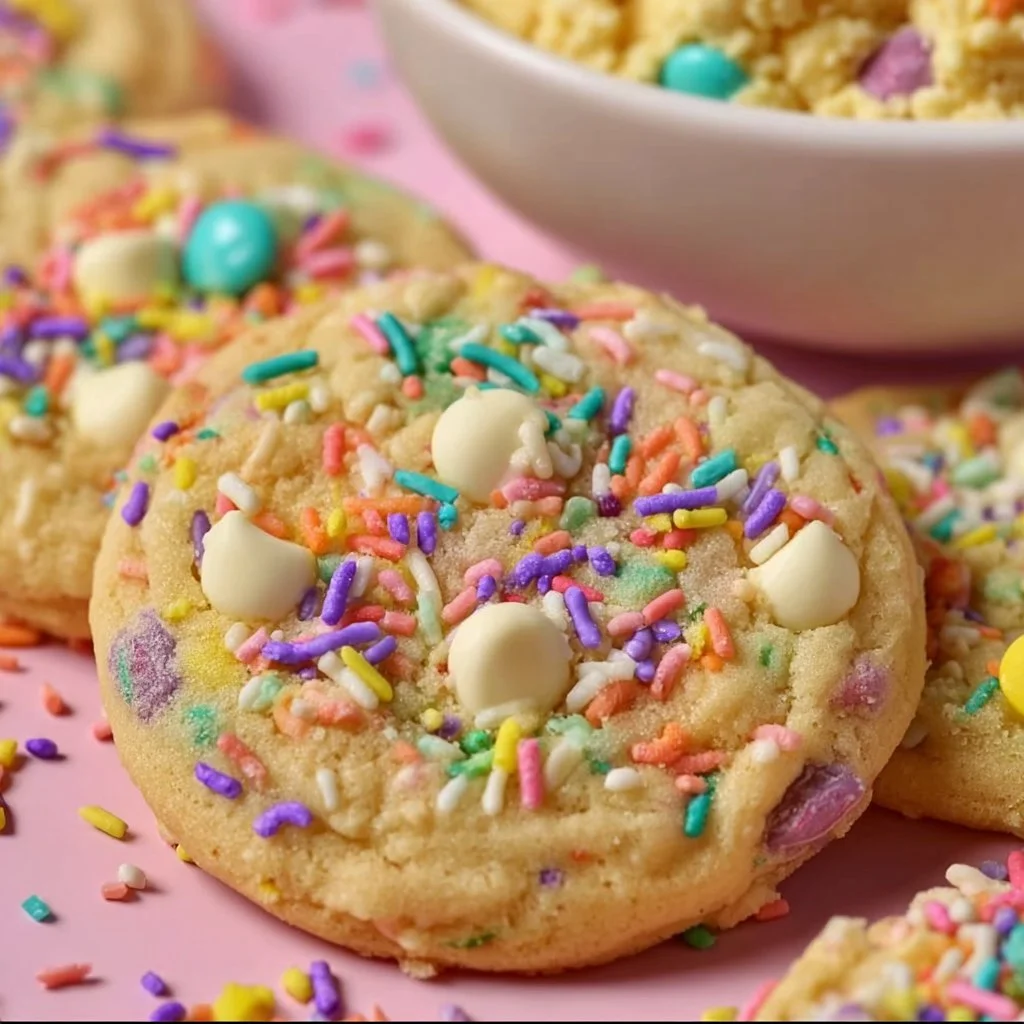
Easter is a special time for celebration, and what better way to mark the occasion than with delightful Easter cookies? These cookies not only taste fantastic but also bring a festive touch to any gathering. Their colorful designs and playful shapes make them fun to bake and enjoyable to eat, creating lasting memories with family and friends. Whether for an Easter egg hunt, a family gathering, or simply to share with loved ones, these cookies spread joy and sweetness during this festive season.
Why We Love This Easter Cookies
Easter cookies hold a special place in our hearts due to their vibrant colors and whimsical designs. Each cookie can be a canvas for creativity, allowing you to decorate them in ways that reflect the joy of the holiday. The sweetness of the cookies pairs wonderfully with a variety of flavors, making them a crowd-pleaser. Baking these cookies can also be a fun family activity, bringing people together in the kitchen. The delightful aroma that fills your home while baking is another reason we cherish these treats. Plus, they make perfect gifts, allowing you to share your Easter spirit with others.
Ingredients for Easter Cookies
- 2 ¾ cups all-purpose flour
- 1 teaspoon baking powder
- ½ teaspoon baking soda
- ½ teaspoon salt
- 1 cup unsalted butter, softened
- 1 ½ cups granulated sugar
- 1 large egg
- 2 teaspoons vanilla extract
- 1 teaspoon almond extract (optional)
- 1-2 tablespoons milk (optional for consistency)
- Royal icing or colored frosting for decoration
- Sprinkles and edible decorations
Directions
- Preheat your oven to 350°F (175°C). Line baking sheets with parchment paper.
- In a medium bowl, mix together the flour, baking powder, baking soda, and salt. Set this mixture aside.
- In a large bowl, cream the softened butter and granulated sugar until light and fluffy.
- Add the egg, vanilla extract, and almond extract (if using) to the butter mixture. Beat until well combined.
- Gradually add the flour mixture to the wet ingredients, mixing until a soft dough forms. If the dough feels too dry, consider adding a tablespoon of milk at a time until you reach the desired consistency.
- Divide the dough into two or more portions, wrap in plastic wrap, and refrigerate for at least 30 minutes.
- Roll out the dough on a floured surface to about ¼-inch thickness. Use cookie cutters to create desired shapes.
- Place the cookies on the prepared baking sheets, leaving space between them.
- Bake for 8-10 minutes or until the edges start to turn lightly golden.
- Let the cookies cool on the baking sheet for a few minutes before transferring them to wire racks to cool completely.
- Once cool, use royal icing or colored frosting to decorate the cookies. Add sprinkles or edible decorations to enhance their festive appeal.
How to Serve Easter Cookies
Serving Easter cookies can be as festive as baking them. Start by arranging your beautifully decorated cookies on a vibrant platter. You can incorporate themed decorations, like plastic eggs or spring flowers, to enhance their visual appeal. For an added touch, consider placing individual cookies in small, transparent bags tied with colorful ribbons. This method makes it easy to hand them out at an Easter gathering or an egg hunt. If you’re hosting a party, you can also set up a cookie decorating station where guests can personalize their cookies. This interactive element adds fun for both kids and adults alike. Cocktail-style servings paired with milk or a refreshing, non-alcoholic beverage make for a hit. Embrace creativity in presentation to reflect the joy of Easter and leave a lasting impression on your guests.
Expert Tips for Easter Cookies
To achieve the best results with your Easter cookies, follow these expert tips. Start by measuring your ingredients precisely. Incorrect measurements can lead to tough or overly soft cookies. When creaming the butter and sugar, take your time; it should be light and fluffy to incorporate air properly into the dough. For even baking, ensure your oven is preheated before placing the cookies inside. If you’re using royal icing for decoration, let the cookies cool completely before applying it; this prevents the icing from melting onto the cookie. Consider using a piping bag for more intricate designs to achieve a professional look. For variations in flavor, feel free to experiment with extracts and spices. Always double your batch if you’re expecting a crowd; these cookies disappear quickly! Lastly, when packaging them for gifts, include a note with storage instructions to help your loved ones enjoy their treats for longer.
How to Store Easter Cookies
Proper storage will keep your Easter cookies fresh for days. Once the cookies have cooled and the frosting has set, store them in an airtight container at room temperature. If you layer cookies in the container, place parchment paper between the layers to prevent sticking. Keep the container away from direct sunlight or heat sources to maintain freshness. For longer storage, you can also freeze the decorated cookies. Wrap each cookie individually in plastic wrap and place them in a freezer-safe bag. This method helps preserve their flavor and texture. When you’re ready to enjoy them, simply thaw at room temperature for a few hours. Proper storage ensures your cookies remain delightful treats long after they are made.
Variations of Easter Cookies
Easter cookies offer a delightful canvas for creativity and experimentation. You can switch up the flavor of your cookies by incorporating different extracts, such as lemon or orange, for a refreshing twist. Consider adding colorful sprinkles to the dough for a fun, festive touch that gives each cookie a unique look. For a more adventurous treat, try stuffed cookies filled with colorful candies or chocolate chips. If you prefer a healthier approach, use whole wheat flour or substitute some butter for applesauce to create a lighter version. You can also experiment with different shapes beyond traditional Easter symbols, such as hearts and stars, to express your creativity. The options for variations are limitless, allowing you to create new favorites each year while keeping the spirit of Easter alive.
FAQ about Easter Cookies
What are Easter cookies?
Easter cookies are festive treats typically made during the Easter season. They come in various shapes that represent the holiday, such as eggs, bunnies, and flowers, and are often brightly decorated.
How do you decorate Easter cookies?
You can decorate Easter cookies with royal icing, colored frosting, edible glitter, and sprinkles. Use piping bags or simple knives to apply the icing creatively.
Can I freeze Easter cookies?
Yes, you can freeze Easter cookies. Wrap them individually in plastic wrap and store them in freezer-safe bags. They can last several months in the freezer.
How long do Easter cookies last?
If stored properly in an airtight container at room temperature, Easter cookies can last for about a week. If frozen, they can stay fresh for several months.
What flavors can I use for Easter cookies?
You can use a variety of flavors for Easter cookies, such as vanilla, almond, lemon, or even chocolate, to create cookies that suit your taste preference.

Easter Cookies
Ingredients
For the Cookie Dough
- 2 ¾ cups all-purpose flour
- 1 teaspoon baking powder
- ½ teaspoon baking soda
- ½ teaspoon salt
- 1 cup unsalted butter, softened
- 1 ½ cups granulated sugar
- 1 large egg
- 2 teaspoons vanilla extract
- 1 teaspoon almond extract (optional)
- 1-2 tablespoons milk (optional for consistency)
For Decoration
- Royal icing or colored frosting For decorating the cookies
- Sprinkles and edible decorations For additional festive appeal


Instructions
Preparation
- Preheat your oven to 350°F (175°C) and line baking sheets with parchment paper.
- In a medium bowl, mix together the flour, baking powder, baking soda, and salt, and set aside.
- In a large bowl, cream the softened butter and granulated sugar until light and fluffy.
- Add the egg, vanilla extract, and almond extract (if using) to the butter mixture and beat until well combined.
- Gradually add the flour mixture to the wet ingredients, mixing until a soft dough forms. If the dough feels too dry, add milk a tablespoon at a time until desired consistency is reached.
- Divide the dough into portions, wrap in plastic wrap, and refrigerate for at least 30 minutes.
Baking
- Roll out the dough on a floured surface to about ¼-inch thickness and use cookie cutters to create desired shapes.
- Place the cookies on the prepared baking sheets, leaving space between them.
- Bake for 8-10 minutes or until the edges start to turn lightly golden.
- Let the cookies cool on the baking sheet for a few minutes before transferring them to wire racks to cool completely.
Decorating
- Once the cookies are cool, use royal icing or colored frosting to decorate. Add sprinkles and edible decorations for a festive touch.
Send me this recipe!
Just enter your email below and get it sent straight to your inbox!