
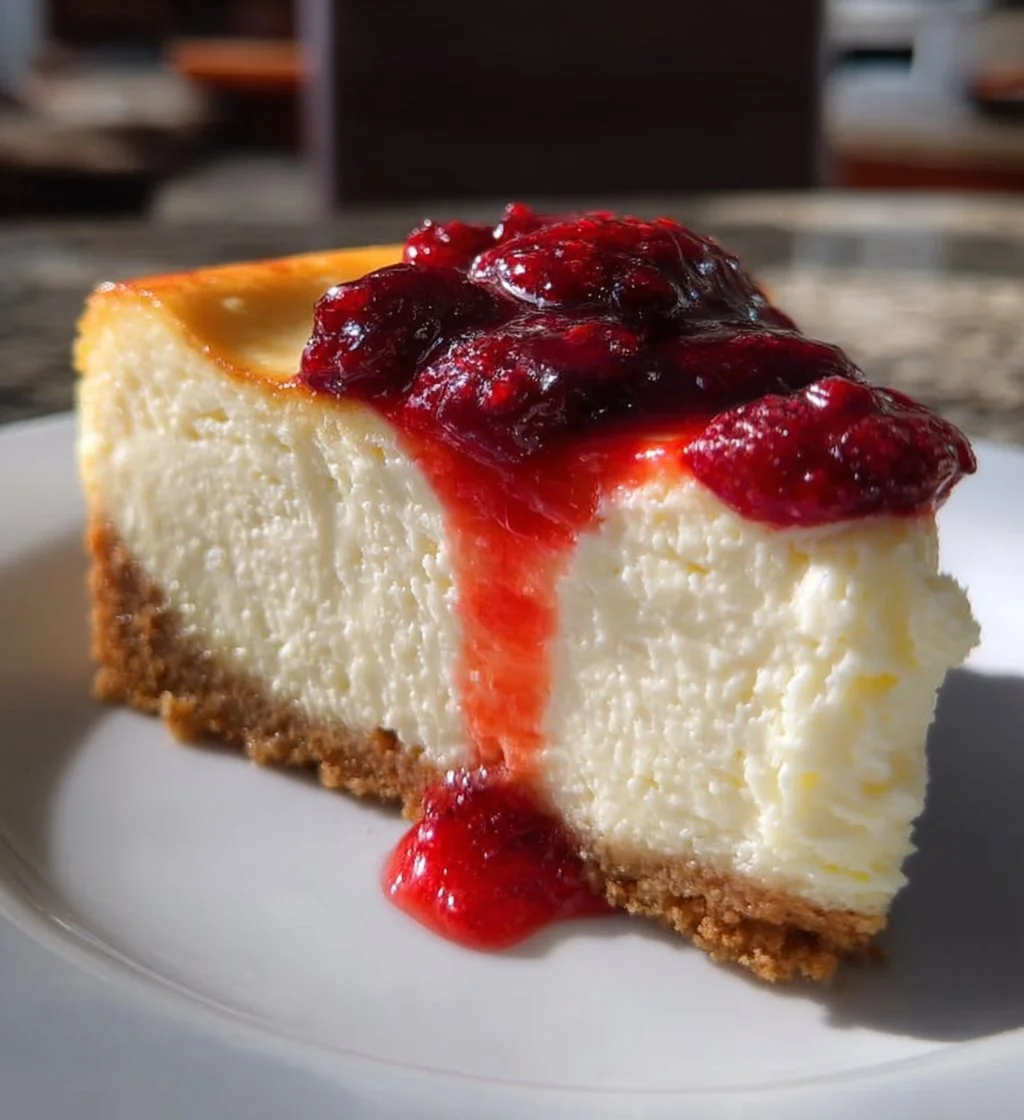
Greek yogurt cheesecake offers a delightful twist on the classic dessert, providing a lighter, creamier, and utterly irresistible experience. Its smooth texture and tangy flavor create a perfect harmony that satisfies your cravings without the heaviness typical of traditional cheesecake. Whether you’re serving it at a special occasion or simply enjoying a slice at home, this Greek yogurt cheesecake brings joy with every bite.
Why We Love This Greek Yogurt Cheesecake
This Greek yogurt cheesecake shines because it incorporates creamy Greek yogurt, giving it a tangy flavor that pairs beautifully with the sweetness of the other ingredients. The texture is incredibly light, making it easier to indulge without feeling overly full afterward. Unlike conventional cheesecakes, which can be dense and rich, this version feels refreshing. The balance of flavors enhances your taste buds, resulting in a dessert that feels both indulgent and satisfying. You can also customize toppings and layer the cheesecake with various fruits, sauces, or even nuts, making it versatile for any palate. This dessert invites creativity and playfulness, encouraging you to experiment with flavors and presentations.
Ingredients for Greek Yogurt Cheesecake
- 2 cups Greek yogurt
- 1 cup cream cheese, softened
- 1 cup granulated sugar
- 3 large eggs
- 1 teaspoon vanilla extract
- 1 tablespoon lemon juice
- 1 ½ cups graham cracker crumbs
- ½ cup unsalted butter, melted
- ¼ cup powdered sugar
- Fresh fruit or fruit sauce for topping (optional)
Directions
- Preheat your oven to 325°F (160°C). Grease a 9-inch springform pan with cooking spray or butter.
- To make the crust, combine graham cracker crumbs and melted butter in a bowl until it resembles wet sand. Press this mixture firmly into the bottom of the prepared springform pan to create an even layer. Bake for about 10 minutes or until slightly golden. Remove from the oven and let it cool.
- In a large mixing bowl, blend the softened cream cheese and granulated sugar until smooth. Use a hand mixer or stand mixer for best results.
- Add the Greek yogurt, eggs, vanilla extract, and lemon juice to the cream cheese mixture. Mix on low speed until just combined, avoiding overmixing.
- Pour the cheesecake filling over the cooled crust in the springform pan.
- Bake in the preheated oven for about 45-50 minutes. The cheesecake should appear set around the edges but slightly jiggly in the center.
- Once cooked, turn off the oven and crack the oven door, allowing the cheesecake to cool gradually inside for at least one hour. This step helps to prevent cracks from forming.
- After it cools, cover with plastic wrap and refrigerate for at least four hours, preferably overnight, to let the flavors meld and the texture firm up.
- When ready to serve, remove the cheesecake from the springform pan and dust the top with powdered sugar. Add fresh fruit or fruit sauce if desired.
How to Serve Greek Yogurt Cheesecake
Serving Greek yogurt cheesecake can elevate any gathering, making it perfect for both casual family dinners and formal celebrations. Begin by slicing the cheesecake into equal-sized pieces for a uniform presentation. Plating options are versatile; you can serve each slice on a dessert plate or create a lovely display by topping the cheesecake with fresh berries, citrus slices, or a drizzle of fruit sauce. Consider serving it alongside a dollop of whipped cream for that extra touch of indulgence.
Garnishing with mint leaves can add a pop of color and freshness, enhancing both visuals and flavor. You may also sprinkle a few nuts or chocolate shavings on top for crunch and extra visual appeal. Finally, pair this delightful dessert with your favorite coffee or tea to round off the meal beautifully. This combination not only satisfies your sweet tooth but also creates a balanced culinary experience.
Expert Tips for Greek Yogurt Cheesecake
For the best results, there are a few expert tips you should keep in mind when making Greek yogurt cheesecake. First, always use full-fat Greek yogurt and cream cheese to achieve the desired creamy texture. Low-fat alternatives can compromise the richness and stability of the cheesecake.
Make sure all your ingredients are at room temperature before mixing. This helps create a smoother batter, which will result in a creamier cheesecake. Avoid overmixing once you add the eggs; overmixing can introduce too much air, which could lead to cracks as the cheesecake bakes.
When baking, placing a shallow dish of water in the oven can help maintain moisture, reducing the chances of your cheesecake cracking. After baking, gradually cooling the cheesecake in the oven prevents sudden temperature changes that may also cause cracks.
To keep that light and fluffy texture, let the cheesecake chill for the recommended time in the refrigerator. The longer it sits, the better the flavors blend. Lastly, experiment with different toppings; they not only add flavor but also make for an impressive presentation.
How to Store Greek Yogurt Cheesecake
Storing Greek yogurt cheesecake requires a few simple steps to maintain its freshness. After the cheesecake has fully set in the refrigerator, cover it tightly with plastic wrap to prevent it from absorbing any odors or flavors from other foods. Alternatively, you can use an airtight container, but make sure it’s deep enough to avoid touching the top of the cheesecake.
This dessert can be stored in the refrigerator for up to one week. If you want to keep it longer, consider freezing individual slices. Wrap each piece in plastic wrap and then place it in a freezer-safe container or a resealable plastic bag. This method allows you to pull out slices as you desire while keeping the rest frozen. Defrost the cheesecake in the refrigerator before serving for the best texture and flavor.
Variations of Greek Yogurt Cheesecake
Exploring variations of Greek yogurt cheesecake can bring exciting new flavors and experiences to your dessert table. For a fruity twist, consider adding pureed fruit into the cheesecake batter, like strawberries, raspberries, or even mango. This addition not only boosts the flavor but also provides vibrant color to the cheesecake.
If you enjoy a hint of chocolate, fold in some melted dark chocolate or cocoa powder to create a chocolate version. For a spiced element, adding a bit of cinnamon or nutmeg can provide a warm flavor that pairs well with the cheesecake’s creaminess.
You can also experiment with the crust by using crushed cookies instead of the traditional graham crackers. Options like digestive biscuits, almond flour for a gluten-free alternative, or even chocolate sandwich cookies can lead to a new take on the classic.
For those who want to incorporate more flavors, a swirl of caramel or toffee sauce on top of the cheesecake adds a delicious contrast. Don’t hesitate to try incorporating nuts, such as crushed pecans or almonds, as garnish for an added crunch. The possibilities are endless and offer a chance to create a unique dessert every time.
FAQ about Greek Yogurt Cheesecake
What makes Greek yogurt cheesecake different from traditional cheesecake?
Greek yogurt cheesecake uses Greek yogurt instead of a significant portion of cream cheese, resulting in a lighter, tangier flavor and a creamier texture.
Can I use nonfat Greek yogurt for this recipe?
While you can use nonfat Greek yogurt, it may lead to a less creamy texture. Full-fat Greek yogurt is recommended for the best results.
How long does Greek yogurt cheesecake need to chill?
It’s best to chill the cheesecake for at least four hours or overnight. This helps the flavors meld and the texture to set properly.
Can I freeze Greek yogurt cheesecake?
Yes, you can freeze slices of Greek yogurt cheesecake. Wrap each piece well and store in an airtight container for optimal freshness.
What can I use for a crust if I want to avoid graham crackers?
You can use crushed cookies, almond flour, or even oats to create a unique crust while avoiding graham crackers.
Greek Yogurt Cheesecake
Ingredients
For the crust
- 1.5 cups graham cracker crumbs You may also use crushed cookies or almond flour as alternatives.
- 0.5 cups unsalted butter, melted Use for binding the crust.
For the filling
- 2 cups Greek yogurt Full-fat Greek yogurt is recommended for creaminess.
- 1 cups cream cheese, softened Make sure it’s at room temperature.
- 1 cups granulated sugar
- 3 large eggs At room temperature.
- 1 teaspoon vanilla extract
- 1 tablespoon lemon juice
- 0.25 cups powdered sugar For dusting the top before serving.
- optional Fresh fruit or fruit sauce For topping.


Instructions
Preparation
- Preheat your oven to 325°F (160°C). Grease a 9-inch springform pan with cooking spray or butter.
- In a bowl, combine graham cracker crumbs and melted butter until it resembles wet sand. Press this mixture firmly into the bottom of the prepared pan to create an even layer.
- Bake the crust for about 10 minutes or until slightly golden. Remove it from the oven and let it cool.
Making the filling
- In a large mixing bowl, blend the softened cream cheese and granulated sugar until smooth using a hand mixer or stand mixer.
- Add Greek yogurt, eggs, vanilla extract, and lemon juice, mixing on low speed until just combined, being careful to avoid overmixing.
Baking
- Pour the cheesecake filling over the cooled crust in the springform pan.
- Bake for 45-50 minutes, until set around the edges but still slightly jiggly in the center.
- Once cooked, turn off the oven and crack the oven door, allowing the cheesecake to cool gradually for at least one hour.
- Cover with plastic wrap and refrigerate for at least four hours, preferably overnight.
Serving
- Remove the cheesecake from the springform pan and dust the top with powdered sugar. Add fresh fruit or fruit sauce if desired.
Send me this recipe!
Just enter your email below and get it sent straight to your inbox!