
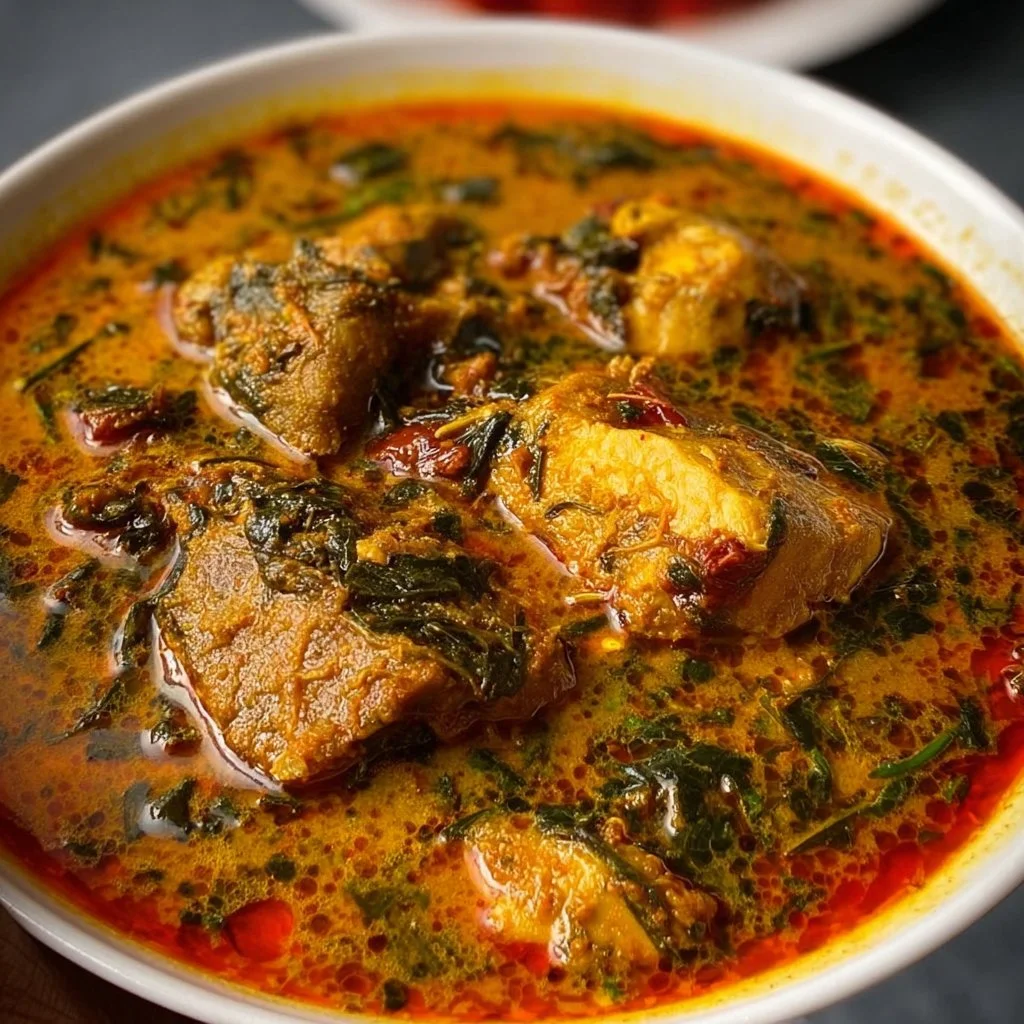
Banga Soup, a signature dish from the Niger Delta region of Nigeria, is a hearty and flavorful soup that showcases the rich culinary traditions of the area. Known for its unique blend of spices, fresh seafood, and assorted meats, this dish not only tantalizes the taste buds but also serves as a comforting meal shared among families and friends. The creamy texture derived from palm nut extract and the aromatic banga spices create a delightful harmony of flavors that is hard to resist. Get ready to embark on a culinary adventure as you learn how to prepare this delicious, traditional dish.
Why We Love This Banga Soup Recipe
There’s something undeniably special about Banga Soup. It represents the rich cultural heritage of the Niger Delta, combining various ingredients that bring comfort and joy. The medley of succulent meats and fresh seafood, paired with aromatic spices, creates an unforgettable experience for your palate. You’ll appreciate how versatile it is, allowing you to serve it with different types of swallow—such as fufu or pounded yam—making each meal an exciting variation. Moreover, the ease of preparation, coupled with its rich flavors, makes it a beloved choice for both special occasions and everyday dining.
Ingredients about Banga Soup
- 800 g palm fruit concentrate
- 1 tablespoon banga spice (or a mix of Ataiko and Irugeje)
- 1-2 tablespoons Beletete leaves
- 1 Oburunbebe stick
- 6 medium-sized fresh catfish steaks (washed and gutted)
- 800 g assorted beef (e.g., shaki, ponmo, and cow-leg)
- 1 cup fresh shrimps
- ½ cup dried prawns
- 2-3 scotch bonnets (blended)
- 1 cup dried cod (panla washed and shredded)
- 1 cup periwinkle (optional)
- 2 seasoning cubes (or 1 teaspoon stock powder)
- Salt to taste
- 1 small onion
- 1.6 liters of water (including the quantity of beef stock used)
How to Make Banga Soup Directions
To start your Banga Soup, you’ll first need to prepare your assorted beef and dried fish. Season them with a pinch of salt, diced onions, and your chosen seasoning cubes for an added burst of flavor. Combine everything with some water, then put it on the stove and bring it to a boil until everything is tender. Once cooked, separate the meat from the broth, reserving the stock for later use.
Next, take a large pan and place it over medium heat. Add the palm nut concentrate to the pan and dilute it with warm water, using double the amount of palm fruit concentrate—about 1.6 liters of water should do the trick. If you have any tough cuts of beef, feel free to toss them in now; cooking them alongside the palm nut will enhance the overall flavor and texture of your soup. Stir everything together and allow the mixture to come to a rolling boil, leaving the pan uncovered to avoid overflowing. A wooden spoon balanced across the pot can help keep it from boiling over.
After about 20 minutes, you’ll notice the mixture bubbling and thickening, with an inviting layer of oil forming on top. It is at this point you should introduce your blended scotch bonnets, assorted beef, and optional periwinkles into the pot, cooking everything for an additional 10 to 15 minutes.
Now comes the magic ingredient: the banga spice. Add it along with the Oburunbebe stick and ground crayfish for that authentic aroma and flavor that will fill your kitchen. Let this simmer for another 10 minutes. As your soup cooks, taste it and adjust the seasoning to your liking. If the soup becomes too thick, you can dilute it with the reserved beef stock, stirring to ensure nothing sticks to the bottom of the pot.
Finally, it’s time to add your fresh catfish and shrimps. Drop them in gently, along with the Beletete leaves or bitter leaf, and allow the mixture to simmer on low heat for another 10 to 12 minutes. If you need to stir, carefully hold the pan by its handles and gently twirl it instead of using a spoon, ensuring you don’t break the delicate fish. Once everything is cooked to perfection, your Banga Soup is ready to be served.
How to Serve Banga Soup
Serving Banga Soup is all about its accompanying dish. The richness of the soup pairs beautifully with any traditional swallow, such as starch, fufu, pounded yam, or eba. Each option brings its own texture and flavor, enhancing the overall dining experience. You might want to prepare a generous amount of swallow, as the deliciously thick soup will encourage second helpings.
Consider serving the soup in a large bowl, allowing everyone to ladle it into their dishes. This communal style of dining not only brings a sense of togetherness but also allows each person to enjoy the delightful mixture of flavors. For an added touch, have some chilled palm wine or a refreshing non-alcoholic drink on hand to cleanse your palate.
Expert Tips: Banga Soup
- Choosing Ingredients: For the best results, use fresh and high-quality ingredients. This is particularly important for your palm fruit concentrate, meats, and seafood.
- Balancing Flavors: Don’t hesitate to taste your soup as it cooks. Adjust seasoning to your preference—some may prefer a spicier bite, while others may enjoy a more subtle flavor.
- Controlling Thickness: If your soup is too thick, additives like the reserved stock or warm water can thin it out. Stir regularly to prevent sticking.
- Cooking Time for Fish: Fresh catfish cooks quickly; add it towards the end of your cooking process to maintain its integrity and flavor.
- Alternative Leaves: If Beletete leaves are unavailable, feel free to use other leafy greens or vegetables that can complement the dish.
How to Store Banga Soup
If you happen to have leftovers, storing Banga Soup is relatively simple. Allow the soup to cool down to room temperature before placing it in a sealed container. This helps maintain its freshness. Store in the refrigerator if you plan to eat it within 3 to 5 days. For longer storage, consider freezing the soup. Ensure it is in an airtight container to avoid freezer burn. When ready to enjoy, simply defrost and reheat on the stovetop. Be sure to stir as it heats, restoring the creamy texture before serving.
Variation of Banga Soup
Banga Soup is wonderfully versatile, allowing for various adaptations based on personal taste and availability of ingredients. Here are some exciting variations to consider:
- Seafood Variations: Instead of catfish, explore using tilapia or other firm fish. Adding seafood like crabs or lobsters can elevate the dish to a new level.
- Vegetarian Option: For a plant-based version, use an assortment of mushrooms for texture and umami flavor, and omit the seafood and meats. Incorporate more vegetables like carrots, okra, and zucchini.
- Herbs and Spices: Experiment with different herbs and spices. You can add ginger or garlic for added complexity, or incorporate diverse spices for a flavorful twist.
- Being Adventurous with Ingredients: Feel free to swap out assorted beef with gamey meats like goat or even chicken for a unique flavor profile.
FAQ
What is Banga Soup known for?
Banga Soup is known for its rich and creamy texture derived from palm nut extract and the assortment of meats and seafood, which create a delicious flavor profile.
Can I use different meats in Banga Soup?
Absolutely! You can use various kinds of meat, such as goat or chicken, depending on your preference.
Is Banga Soup spicy?
The level of spiciness depends on the number of scotch bonnets you add. You can adjust it to your liking.
What can you serve with Banga Soup?
Banga Soup can be served with different swallows like fufu, eba, or pounded yam to soak up the rich flavors.
How can I make Banga Soup vegetarian?
For a vegetarian version, substitute the meats with a variety of vegetables and mushrooms, and skip the seafood altogether.
Enjoy your culinary journey with this traditional Banga Soup recipe, and share the warmth and flavor it brings to your gatherings!

Banga Soup
Ingredients
Main Ingredients
- 800 g palm fruit concentrate Key ingredient for the soup's creamy texture.
- 1 tablespoon banga spice (or a mix of Ataiko and Irugeje) Adds traditional flavor.
- 1-2 tablespoons Beletete leaves Alternatively use bitter leaf.
- 1 Oburunbebe stick Enhances aroma.
- 6 medium-sized fresh catfish steaks (washed and gutted) Can be replaced with other firm fish.
- 800 g assorted beef (e.g., shaki, ponmo, and cow-leg) Use preferred cuts.
- 1 cup fresh shrimps Choose fresh for the best flavor.
- ½ cup dried prawns
- 2-3 scotch bonnets (blended) Adjust to taste for spiciness.
- 1 cup dried cod (panla washed and shredded)
- 1 cup periwinkle (optional) Adding it enhances flavor.
- 2 seasoning cubes (or 1 teaspoon stock powder) Add more for richer taste.
- 1 small onion Diced for seasoning.
- 1.6 liters water (including the quantity of beef stock used) Adjust based on consistency.


Instructions
Preparation
- Season assorted beef and dried fish with salt, diced onions, and seasoning cubes. Boil with water until tender, then separate the meat from the broth.
- Reserve the broth for later use.
Cooking
- In a large pan over medium heat, add palm nut concentrate diluted with 1.6 liters of warm water. Add tough cuts of beef if any.
- Bring the mixture to a rolling boil while stirring. Ensure to leave the pan uncovered.
- After 20 minutes, add blended scotch bonnets, assorted beef, and optional periwinkles. Cook for an additional 10 to 15 minutes.
- Introduce banga spice, Oburunbebe stick, and ground crayfish. Let simmer for another 10 minutes.
- Taste and adjust seasoning as necessary, adding reserved stock if the soup gets too thick.
- Lastly, gently add catfish and shrimps along with Beletete leaves, simmering for 10 to 12 minutes.
Send me this recipe!
Just enter your email below and get it sent straight to your inbox!